April 21, 2026
By: The Bellesguard Team
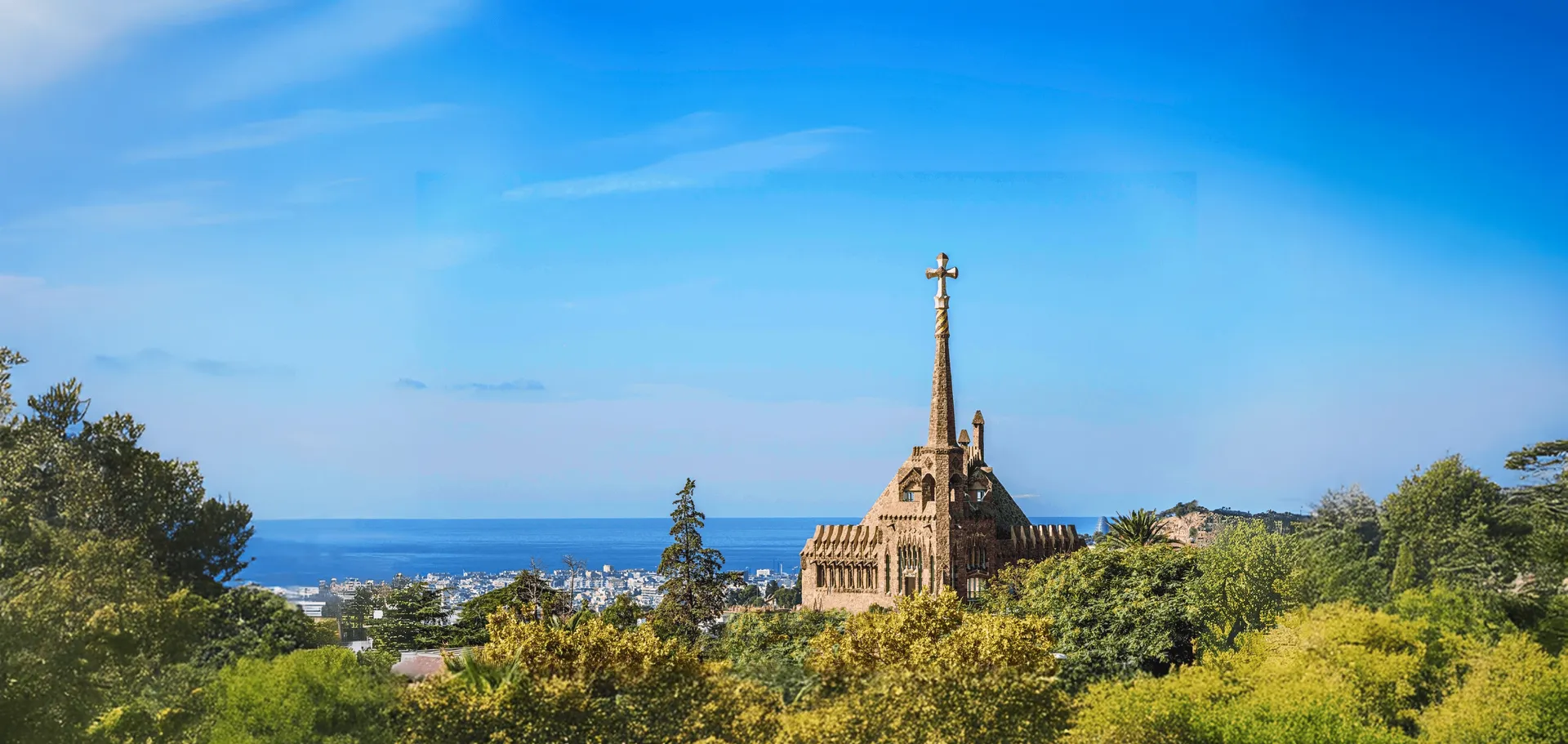
Sant Jordi is coming—the day of dragons, roses, and books. The history of the place where Gaudí built Torre Bellesguard is so ancient that it goes back to the origins of the legend of Sant Jordi, in the heart of the Middle Ages (see: a legend made architecture). Consequently, the books of Bellesguard must naturally be historical novels and essays. This year, we would like to recommend four novels and one essay. We hope you enjoy them, and we also take this opportunity to wish you a happy Sant Jordi.
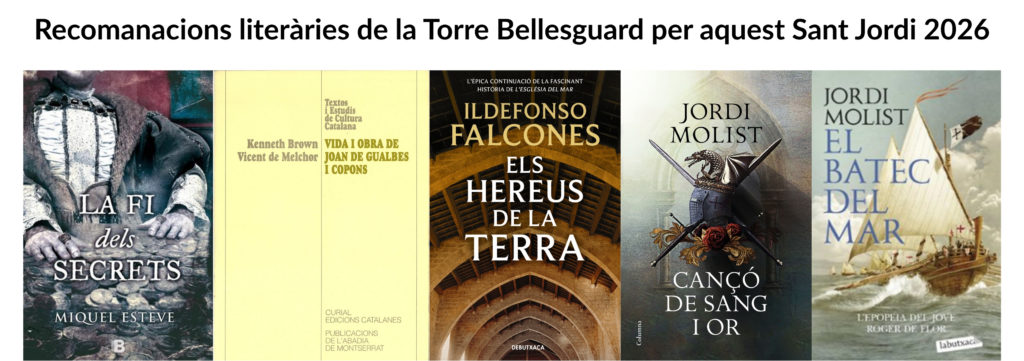
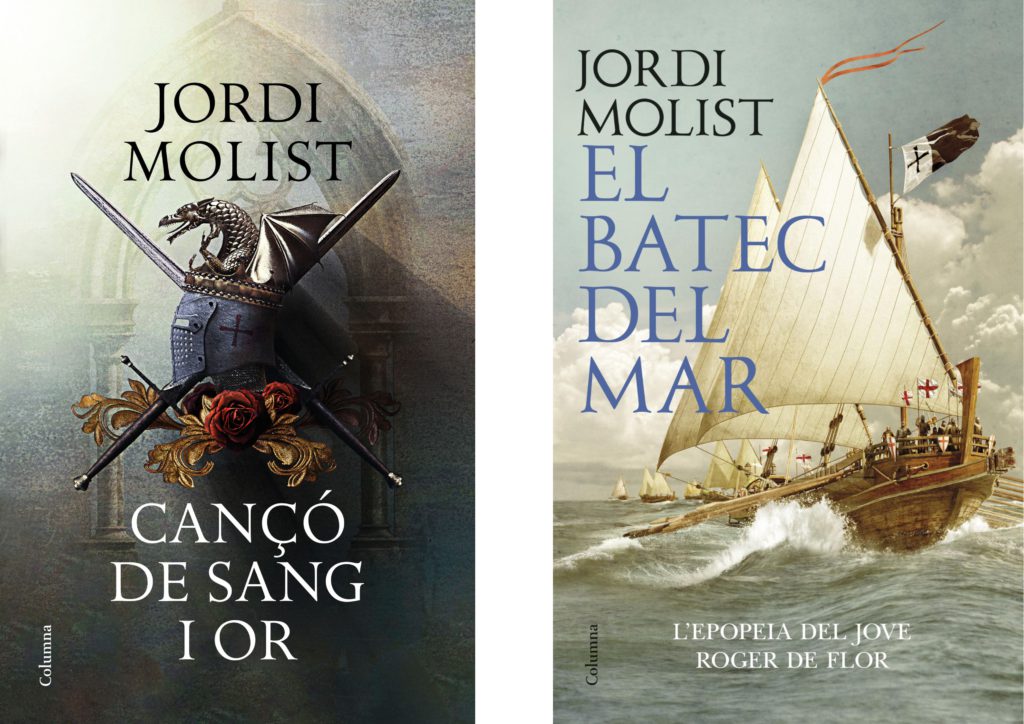
The Beat of the Sea and Song of Blood and Gold, Jordi Molist
At the entrance to Bellesguard’s main house, we can see two mosaics depicting an image that recalls a famous saying by Roger of Lauria, admiral of the fleets of the House of Barcelona:
“From now on, no fish shall dare to wag its tail unless it carries tied to it the banner with the four bars of our lord, the King of Aragon” (see: the expansion across the Mediterranean).
Jordi Molist’s two novels immerse us fully in those 13th-century naval wars around islands such as Sicily and ports such as Barcelona. A series of passionate struggles for power and freedom that forged the history of Catalonia, but also of Europe.
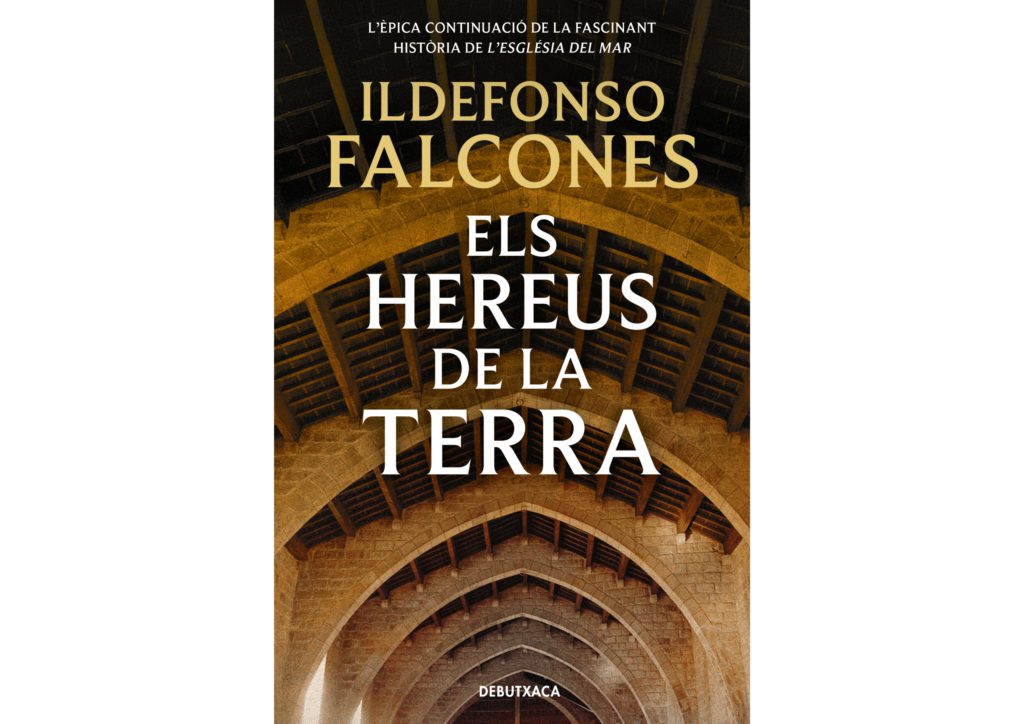
Heirs of the Land, Ildefonso Falcones
In the 14th century, the situation had changed considerably. After the initial victories, a series of crises and internal conflicts followed. The darkest moment came in 1410, the year when Martin I the Humane, the last member of the House of Barcelona, died without an heir.
The novel by Ildefonso Falcones, the second part of the well-known The Cathedral of the Sea, begins in the days leading up to this unfortunate death. Was it a natural death or a murder? At the end of the book, the author includes a brief historical commentary on the events that inspired him to answer this question.
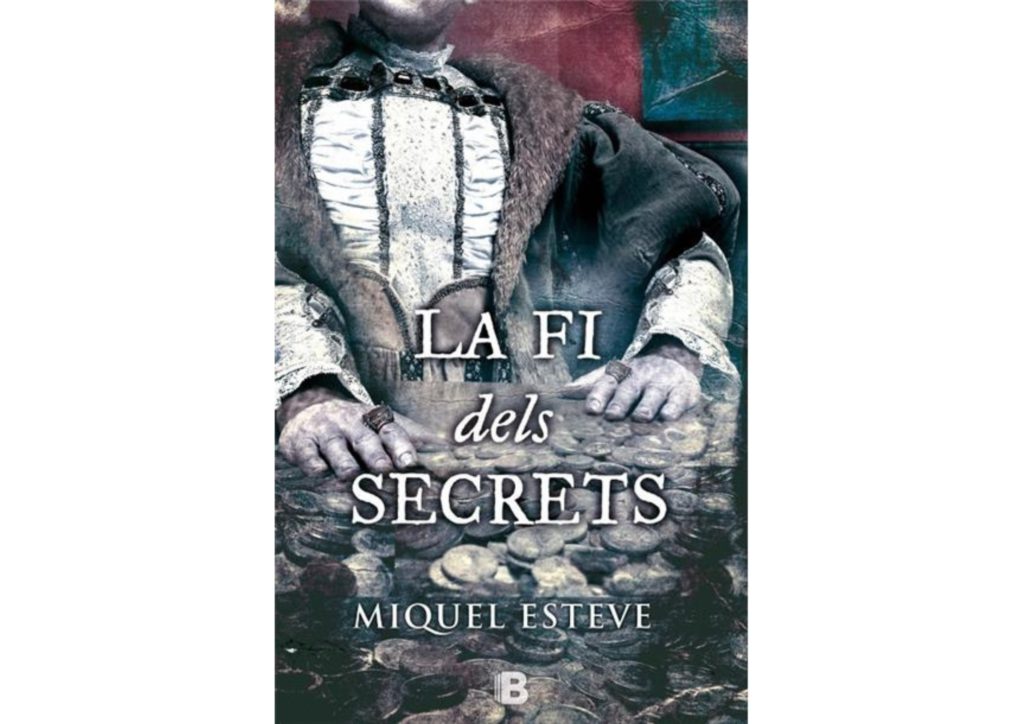
The End of Secrets, Miquel Esteve
Ildefonso Falcones’ novel complements that of Miquel Esteve. One takes us into the newly built shipyards of the comital city and the vineyards surrounding its walls, which were also new at the time. The other opens the doors to the homes of the bankers and merchants who formed Barcelona’s elite, including their brothels.
Moreover, both novels share, at some point in the background, the fall of the House of Barcelona following the death of Martin I the Humane, without a clearly designated heir. An ending set in the old castle of Bellesguard. The city is changeable, lordly, and corrupt. What does the future hold for it?
Miquel Esteve mainly recreates the origins of the Gualbes family, one of the most powerful families of the time. A member of this family was appointed by Martin I as bailiff of his castle of Bellesguard; another stood at the side of the dying king; and once again, a Gualbes was the only representative of Barcelona at the Compromise of Caspe, voting in favor of the Castilian king Ferdinand I of Antequera, from the House of Trastámara.
Three centuries later, another Gualbes protected the ruins of that castle. The next book tells his story…
The Life and Work of Joan de Gualbes i Copons, Kenneth Brown and Vicent de Melchor
During the Siege of Barcelona in 1714, the owner of Bellesguard was Joan de Gualbes i Copons, one of the heroes of the battle, as well as a poet and a key figure in the history of the estate. Among other reasons, because he recovered it from the ruins to which it had been reduced after the Reapers’ War and made it habitable once again.
Furthermore, foreseeing the tragic outcome of the siege, he gathered and hid all the information about the site in an archive in the Basilica of Saints Justus and Pastor, in Barcelona’s old town, and then transferred ownership to the same church so that, as consecrated ground, it could not be desecrated by the victors.
Although his life is worthy of a novel, none has been written. In fact, for a long time, his figure and work faded into obscurity. Fortunately, this biographical study has recovered his legacy.
On the other hand, the essay immerses us in Barcelona society at the end of the 17th century and the beginning of the 18th, seen through the satirical eyes of the burlesque genius Joan Gualbes.
The blog and The Voices of Bellesguard
Finally, you can also read our blog and “The Voices of Bellesguard.” This project was born during the COVID-19 lockdown as an initiative to stay connected.
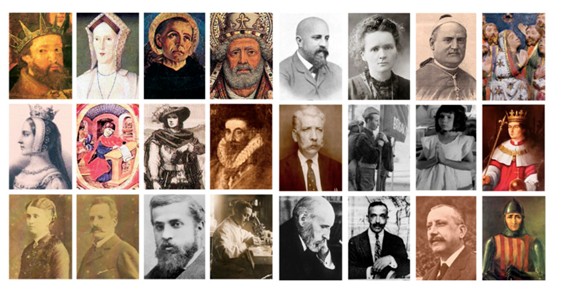
Through short capsules of less than one minute, the biographies of the characters who form part of Bellesguard were revealed. Sparks of memory that have shaped the history of the house, but also of Barcelona and Catalonia.
 Happy Sant Jordi! Happy reading!